Frequently Asked Questions
Does new flooring increase value of house?
Yes, new flooring can significantly increase a home's value by enhancing its aesthetic appeal and functionality, making it more attractive to potential buyers. Quality flooring often translates to higher offers and faster sales in the real estate market.
Will new flooring increase home value?
Yes, new flooring can significantly increase your home value by enhancing its aesthetic appeal and functionality, making it more attractive to potential buyers. Quality materials and installation ensure a positive return on investment.
What kind of flooring can you put over concrete?
You can install various types of flooring over concrete, including laminate, luxury vinyl, tile, and engineered hardwood. Ensure proper underlayment and moisture barriers are used for optimal performance and durability.
What flooring types are best for resale?
Hardwood, tile, and luxury vinyl plank are the best flooring types for resale, as they enhance aesthetic appeal, durability, and value. These options attract buyers and can lead to a higher return on investment when selling your home.
How to choose flooring that adds value?
To choose flooring that adds value, consider high-demand materials like hardwood or luxury vinyl, which offer durability and aesthetic appeal. Ensure the chosen style complements your home's design and appeals to potential buyers for maximum return on investment.
Which flooring materials last the longest?
The flooring materials that last the longest include hardwood, tile, and luxury vinyl. These options are known for their durability, resistance to wear and tear, and longevity, making them excellent choices for high-traffic areas in your home.
Is it worth investing in luxury vinyl?
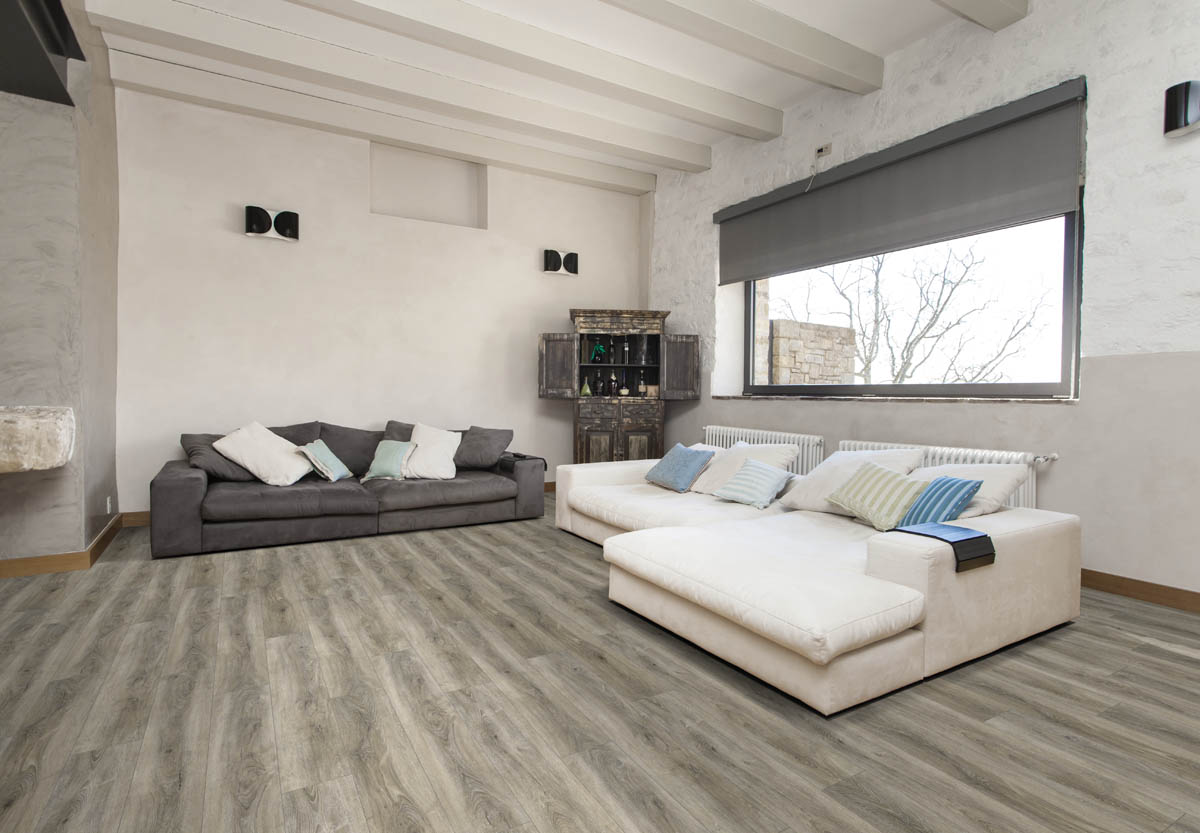
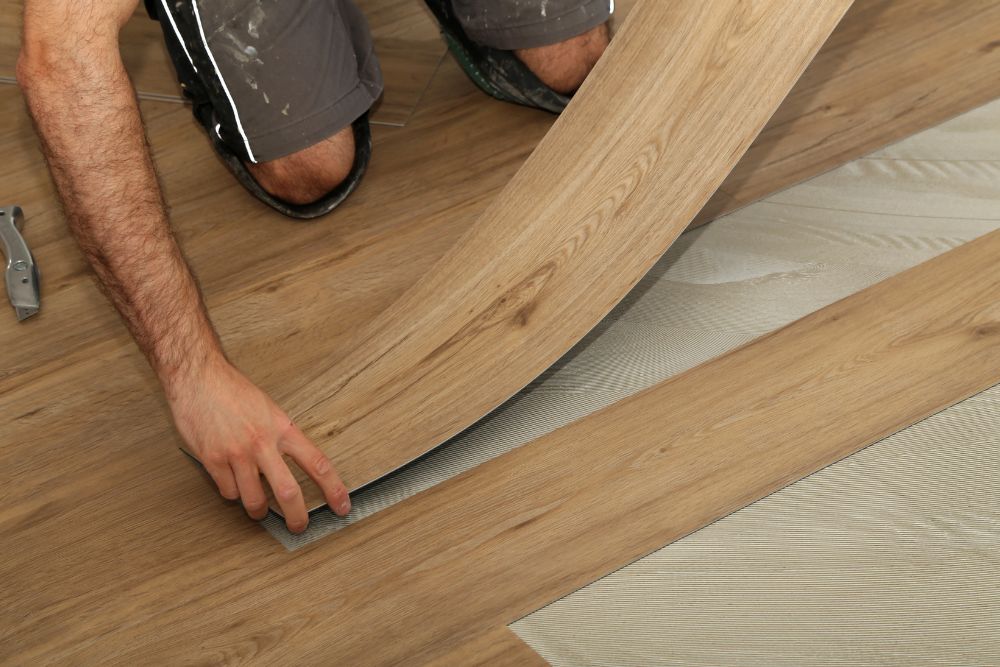
Investing in luxury vinyl is certainly worthwhile due to its durability, affordability, and versatility. It mimics the appearance of natural materials while being water-resistant and easy to maintain, making it an excellent choice for any home environment.
What are the best flooring options for homes?
The best flooring options for homes include hardwood for elegance, carpet for warmth and comfort, and luxury vinyl for durability and style. Each choice caters to various aesthetic preferences and practical needs, making your home both inviting and functional.
How does flooring impact home appraisal values?
Flooring significantly affects home appraisal values, as high-quality materials like hardwood or luxury vinyl can enhance aesthetic appeal and perceived value, leading appraisers to assign higher valuations compared to less durable or outdated flooring options.
What are durable flooring options for high traffic?
Durable flooring options for high traffic areas include luxury vinyl, laminate, and ceramic tile. These materials are resistant to scratches, stains, and wear, ensuring they maintain their appearance even under heavy use.
Which flooring increases value in a rental?
Luxury vinyl and laminate flooring tend to increase the value of a rental property due to their durability, low maintenance, and aesthetic appeal. Additionally, hardwood floors can also enhance property value, attracting higher-quality tenants.
How to select eco-friendly flooring materials?
To select eco-friendly flooring materials, prioritize options made from sustainable resources, such as bamboo or reclaimed wood, and look for certifications like FSC or GreenGuard. Additionally, consider durability and low VOC emissions for a healthier home environment.
What flooring trends appeal to buyers today?
Today, buyers are drawn to sustainable materials, such as bamboo and recycled wood, along with versatile luxury vinyl. Additionally, wide planks and natural finishes are trending, providing a timeless aesthetic that complements various interior styles.
Is hardwood flooring a good investment?
Yes, hardwood flooring is a good investment as it enhances the aesthetic appeal, adds value to your home, and has long-lasting durability that can withstand wear over time, making it a desirable choice for both homeowners and buyers.
What is the lifespan of laminate flooring?
Laminate flooring typically has a lifespan of 15 to 25 years, depending on the quality of the material, the installation process, and how well it is maintained. Regular care and proper usage can extend its durability.
How does carpet affect home value?
Carpet can enhance home value by creating a warm and inviting atmosphere, appealing to potential buyers. However, its impact largely depends on quality, style, and maintenance; high-quality carpets can increase desirability, while worn or outdated options may detract from value.
Are there tax benefits for new flooring?
Yes, there can be tax benefits for new flooring, especially if it involves energy-efficient materials or is part of home renovations. Consult a tax professional to explore eligible deductions or credits specific to your situation.
What flooring works best for basements?
The best flooring for basements includes luxury vinyl, laminate, or ceramic tiles, as they are moisture-resistant, durable, and easy to maintain, making them ideal for areas prone to dampness. Avoid carpet, which can retain moisture and promote mold growth.
How to install flooring over existing floors?
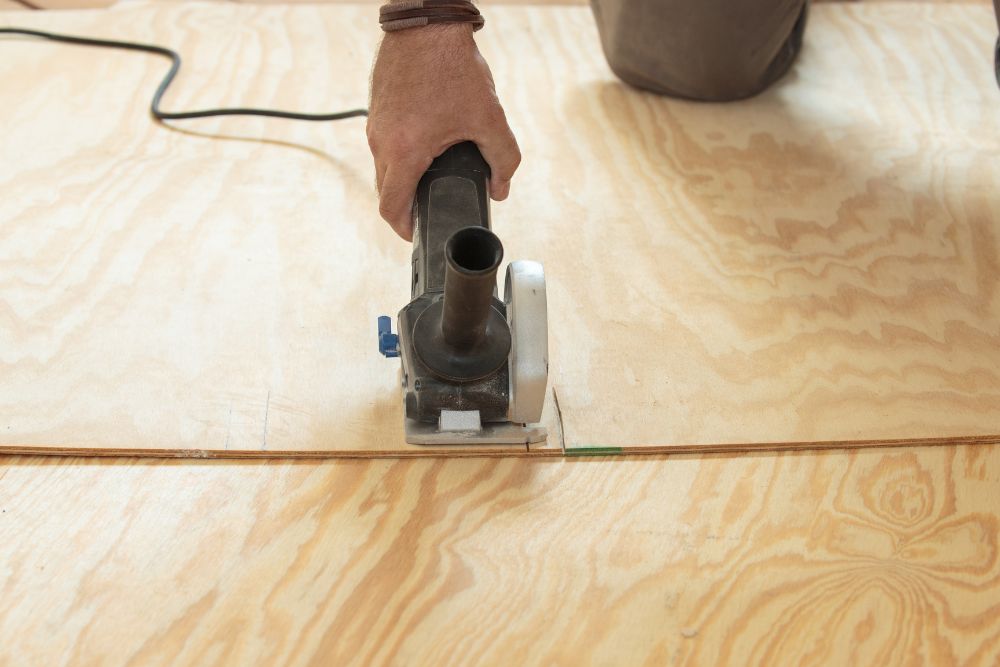
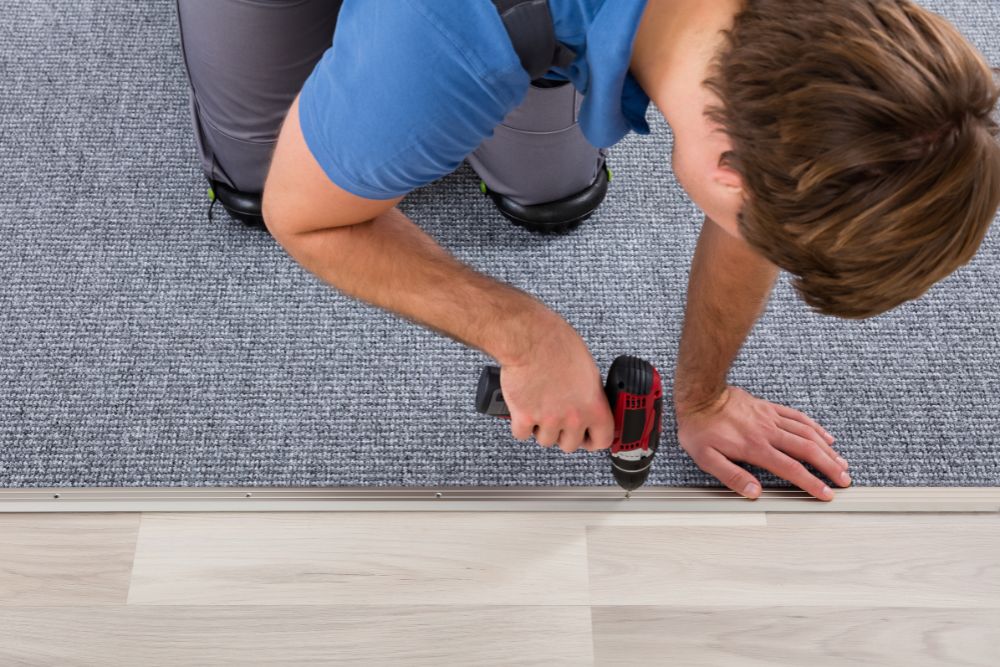
To install flooring over existing floors, ensure your current floor is clean, dry, and level. Choose a compatible underlayment, then lay your new flooring according to the manufacturer’s instructions for a seamless finish.
What are maintenance costs for different flooring types?
Maintenance costs vary by flooring type: hardwood requires periodic refinishing and cleaning, usually totaling $3-$5 per square foot annually; carpet needs regular cleaning and occasional replacement, averaging $2-$4 per square foot; luxury vinyl offers low-cost upkeep, around $1-$2 per square foot yearly.
Do buyers prefer open floor plans with new flooring?
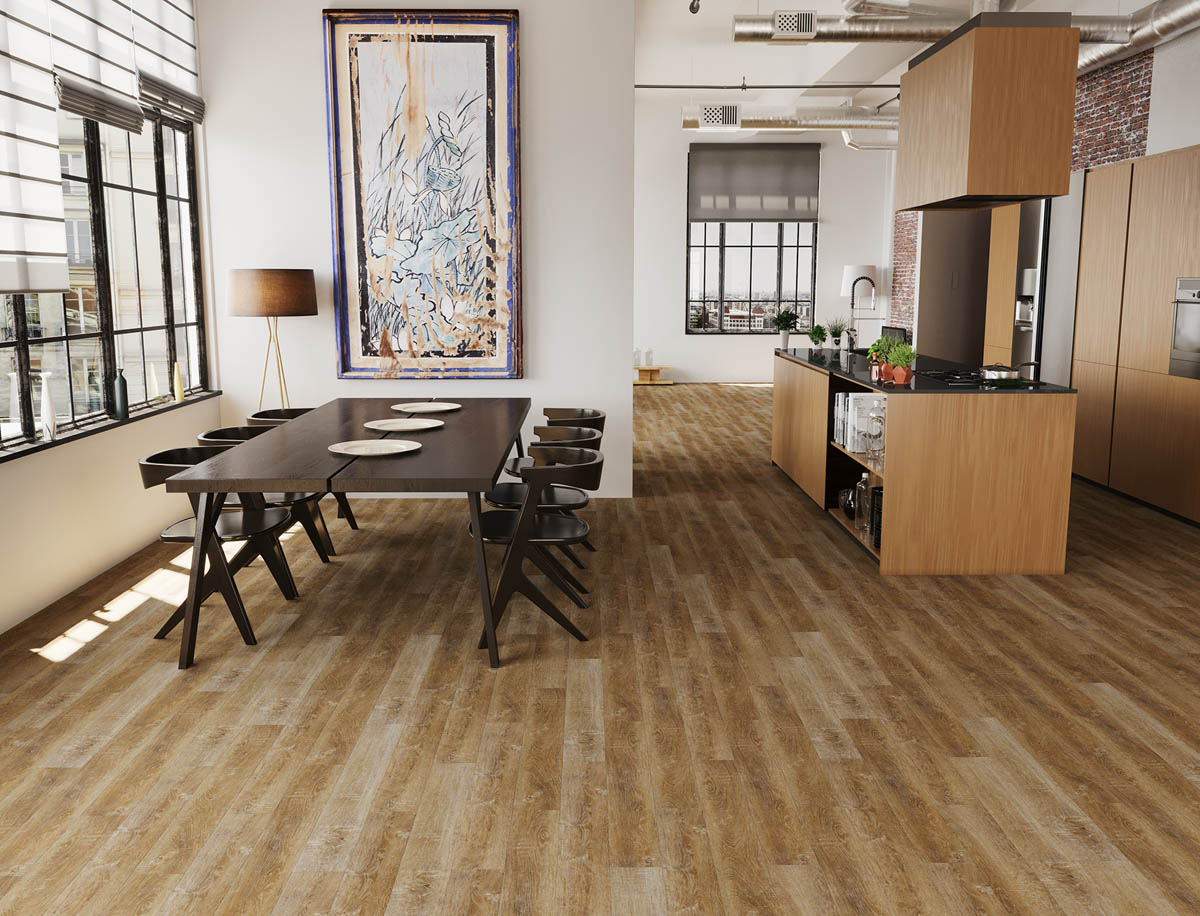
Yes, buyers generally prefer open floor plans combined with new flooring, as these features create a more spacious, modern feel and enhance the overall aesthetic appeal of the home.
What flooring is best in humid climates?
For humid climates, waterproof or moisture-resistant options like luxury vinyl, tile, or sealed laminate flooring are ideal. These materials resist warping and mold, ensuring durability and comfort in high humidity environments.
How can flooring choices affect energy efficiency?
Flooring choices can significantly impact energy efficiency by influencing insulation, temperature regulation, and heat retention. Materials like carpet offer added warmth, while hardwood or tile can help reflect light, contributing to overall energy savings in your home.
What are popular colors for new flooring?
Popular colors for new flooring include neutral tones like beige, gray, and taupe, as well as timeless options such as deep browns and soft whites. These colors create a versatile backdrop, complementing various decor styles while enhancing the overall aesthetic of your space.
Does flooring choice affect indoor air quality?
Yes, flooring choice can significantly impact indoor air quality. Certain materials, like carpets, can trap dust and allergens, while hard surfaces like hardwood or luxury vinyl are easier to clean and less likely to harbor pollutants.
How to clean and maintain new flooring properly?
To clean and maintain new flooring properly, regularly sweep or vacuum to remove dirt, and use a damp mop with a pH-neutral cleaner specific to your flooring type. Avoid harsh chemicals and excess water to preserve the finish.
What are the advantages of engineered hardwood?
Engineered hardwood offers enhanced durability, resistance to moisture, and stability compared to solid hardwood. Its layered construction minimizes the risk of warping, making it an ideal choice for various environments while maintaining the natural beauty of wood.
Are there warranties on new flooring products?
Yes, new flooring products typically come with warranties that cover defects in materials and workmanship. It's important to review the specific warranty details for each product to understand the coverage and duration.
How to compare costs of different flooring types?
To compare costs of different flooring types, evaluate the material price per square foot, installation expenses, and long-term maintenance costs. Additionally, consider factors like durability and lifespan to assess overall value and suitability for your space.
What flooring is best for pet owners?
The best flooring for pet owners includes options like luxury vinyl, laminate, and tile, as they are durable, scratch-resistant, and easy to clean. These materials also help prevent odors and stains, ensuring a comfortable environment for both you and your pets.